

In the U.S. immigration system, there are several forms of humanitarian protection for people who fear returning to their country. Among the most common are asylum, refugee status, and protection under the Convention Against Torture (CAT). Although they are sometimes discussed as if they were the same, each has different requirements, processes, and benefits. Understanding these differences is crucial to knowing which option may apply to you or a loved one.

1. What is asylum?
Asylum is a form of protection requested inside the United States, either because the person is already physically in the country or because the person arrives at a port of entry. To qualify, the person must show a well-founded fear of persecution in the country of origin because of race, religion, nationality, political opinion, or membership in a particular social group. Generally, it must be filed within one year of arrival in the United States, with certain exceptions. It can provide benefits such as work authorization, permanent residence, and eventually citizenship. Example: a person politically persecuted by a repressive government.

2. What is refugee status?
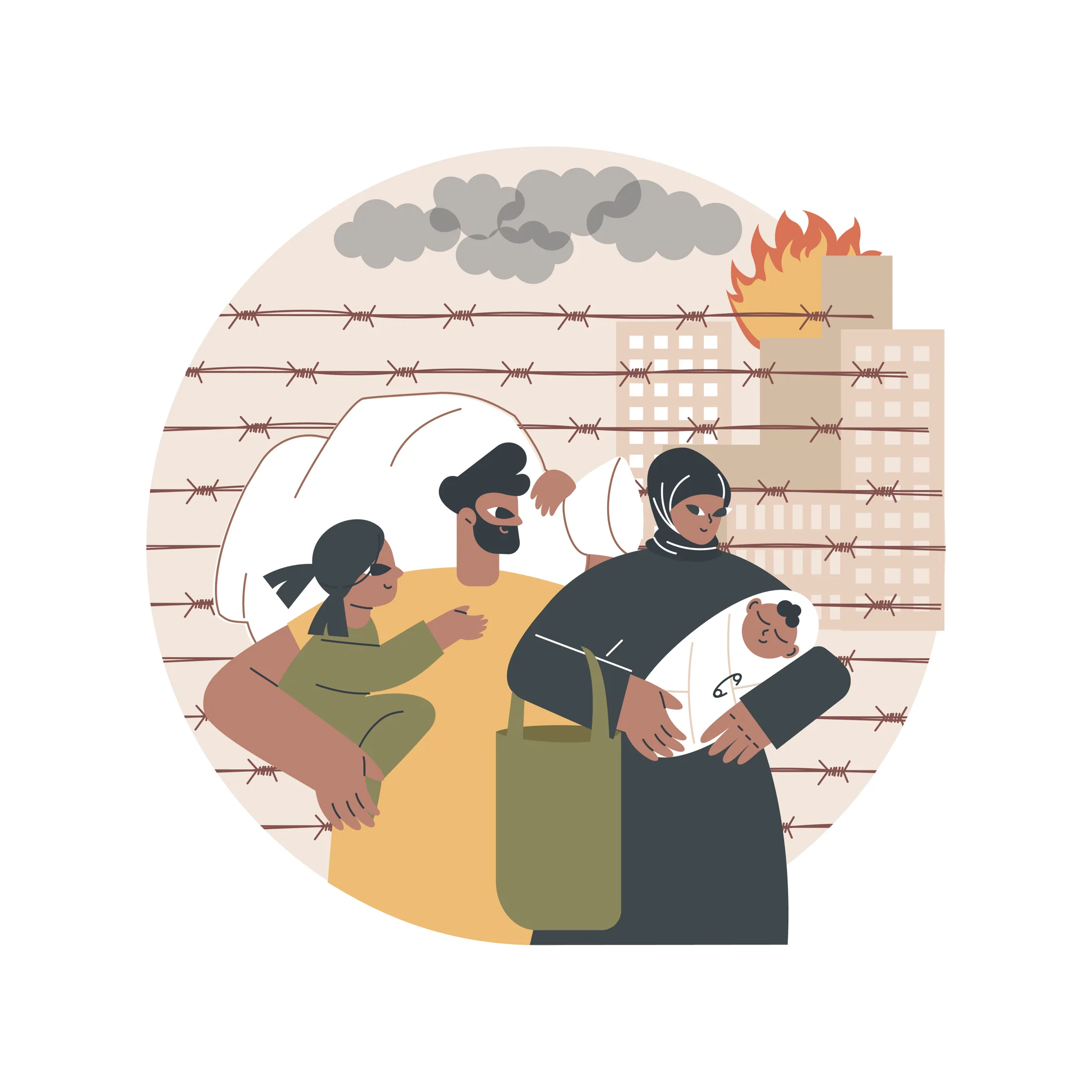
Refugee status is similar to asylum in its requirements, but the main difference is where it is requested. Refugee status is requested from outside the United States, generally through international organizations or processing in a third country. The person is not in the United States during the process. The persecution requirements are the same as asylum. Refugees arrive in the country with approved status, work authorization, and a path toward permanent residence. The process is longer and depends on annual quotas set by the U.S. government. Example: a family fleeing war who is processed in a humanitarian camp before resettlement.
3. What is protection under the Convention Against Torture (CAT)?
CAT protection is an alternative for people who do not meet asylum or refugee requirements but face a real risk of torture if returned to their country. To obtain CAT, the person must show a clear and specific risk of being tortured, by the government of the country or with its consent, and that the government is involved in, permits, or ignores those acts. Unlike asylum, CAT does not require persecution based on one of the five protected grounds, does not offer a direct path to permanent residence, cannot be denied for reasons such as criminal convictions if torture is likely, and allows the person to remain in the United States and avoid deportation. Example: a person who would be tortured by corrupt security forces without needing to prove political or social motives.

All three forms offer protection, but they work differently and apply to different situations. Clarity about these differences is essential to choosing the appropriate route and understanding the legal requirements of the U.S. immigration system. If you or someone close to you faces risk upon returning to their country, consult an immigration attorney to analyze which protection may apply.
Disclaimer: This article is informational only and does not constitute legal advice. Every immigration case is unique. If you need guidance about your specific situation, consult directly with a licensed immigration attorney in the United States.