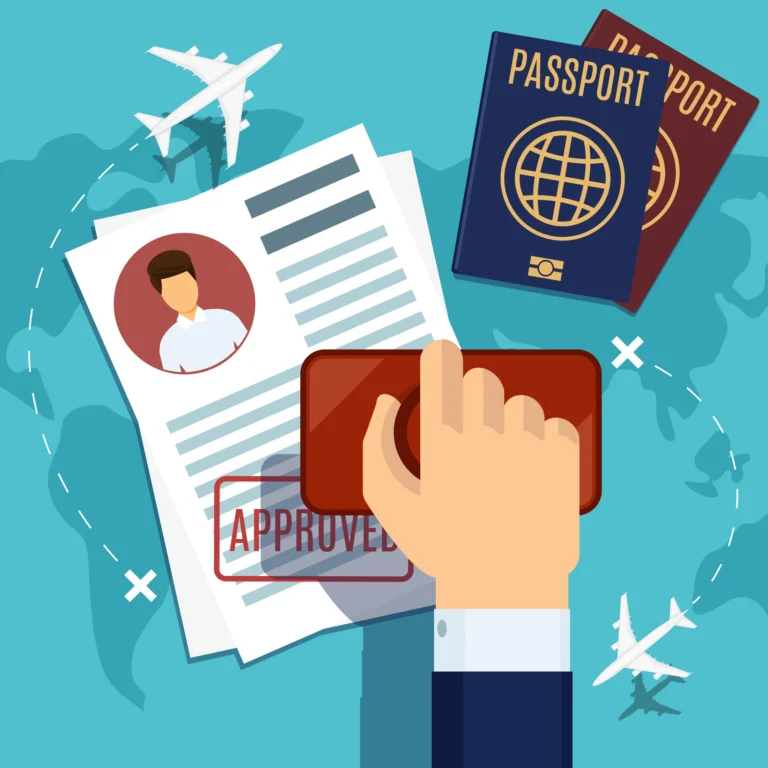



Marrying a U.S. citizen can open the door to the process of obtaining permanent residence. However, not every relationship ends well. Many people face a painful and confusing situation: the relationship ends before USCIS approves the green card. The good news is that not all is lost. Legal options may exist depending on your situation, history, and the circumstances of the relationship.
Below are possible options and important steps to take.
1. Evaluate what stage your immigration case is in
Before making any decision, it is essential to know exactly what applications have already been filed and what status they are in. Ask whether the adjustment of status application (I-485) was filed, whether your U.S. citizen spouse filed the I-130, whether both were filed together or separately, whether you already had the interview, and whether you received any permit such as an EAD or Advance Parole. Each answer changes your legal options.
2. If there was abuse or mistreatment, you may be eligible for a VAWA self-petition
Many people do not know that, even if the marriage ends, they may be able to continue the process on their own if there was physical abuse, domestic violence, or extreme emotional abuse. VAWA allows a person to file a petition without the sponsoring spouse. This is especially helpful when the spouse refuses to continue the process, threatens to “cancel your papers,” exercises economic or emotional control, or the relationship ended because of abuse.
3. If the marriage was in good faith but ended before residence, you may still have options
Even without mistreatment, you may be able to move forward if you can prove that the marriage was real and entered in good faith, that you lived together or shared responsibilities, and that you have evidence of the relationship such as photos, accounts, contracts, messages, and other documents.
Possible paths
In some cases, you may be eligible to adjust status based on an I-130 approved before the divorce. If the family petition was approved while you were still married, USCIS may allow you to complete the process, depending on your category and situation. You may also be able to change to another immigration category, such as a U visa if you were the victim of a crime, VAWA if there was abuse even if it was not physical, asylum if you qualify based on protected grounds, SIJS if you are under 21 and qualify, or a family petition through a U.S. citizen child once the child turns 21, if applicable.
4. If you received conditional residence for two years, there are also solutions
If you already received conditional residence and the relationship ended before removing the conditions through Form I-751, you can file with a waiver based on good-faith marriage, abuse or mistreatment, or extreme hardship if removed from the country. You do not need the ex-spouse’s signature.

5. Do not remain without status: avoid falling into unlawful presence
If your case was closed or the family petition was withdrawn, it is important to act quickly to avoid problems such as accumulation of unlawful presence, risk of deportation, and loss of future immigration options. Speaking with an attorney as soon as possible can help identify what paths remain available.
The fact that your relationship ended does not mean you must give up your dream of obtaining legal status in the United States. There are several alternatives depending on your case, your history, and your personal safety. The most important thing is not to ignore the situation and to seek legal advice to define the best strategy.
Disclaimer: This information is for educational purposes only and does not constitute legal advice. Every immigration case is different and requires personalized evaluation by an immigration attorney.